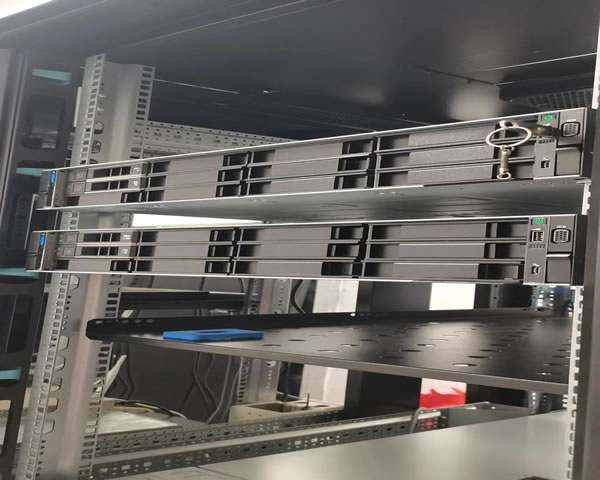
Introduction: This article provides a systematic tutorial on the entire process of deploying Vietnamese VPS servers, covering everything from site preparation and system installation as well as environment setup, to security enhancements, performance optimization, and daily maintenance. It takes into account both SEO and localization requirements, making it easy to put into practice.
Why choose Vietnam VPS As website construction and operation goals
Vietnamese VPS can provide lower latency and faster local access speeds, which is especially important for websites targeting Vietnamese users or the Southeast Asian market. Furthermore, localized IPs help with GEO search engine optimization and increase user trust, making them suitable for applications that require compliance and rapid response.
Preparatory work: Domain name, network, and compliance checks
Before deploying a Vietnamese VPS, complete domain name registration, DNS strategy planning, and necessary compliance reviews first. Confirm that the target domain name can be resolved to a Vietnamese IP address, and check local laws and registration requirements to ensure no restrictions on subsequent hosting and operation.
VPS Selection and Configuration Recommendations
Choose appropriate CPU, memory, storage, and bandwidth configurations based on the website’s scale and concurrent demand. It is recommended to estimate the peak load and leave room for expansion. Prioritize VPS solutions that support snapshots, backups, and flexible bandwidth adjustment to enable flexible operations in the future.
System Installation and Basic Security Configuration
Prefer a streamlined and stable operating system image and complete its updates. Create a non-root administrative account and disable direct root login. Configure time zones, clock synchronization, and a basic package manager, with necessary tools pre-installed for subsequent development, deployment, and operation.
SSH and Firewall Best Practices
Set up key-based authentication for SSH and change the default port, restrict login from specific IP addresses, or enable two-factor authentication. Use a local firewall or security group policies to only open necessary ports (such as 80/443/22), and regularly audit inbound rules and login logs.
Environment Setup: Web servers and databases
Choose Nginx or Apache as a reverse proxy/static server based on application requirements, along with PHP Node.js or other runtimes. It is recommended to deploy databases independently or use hosted services, with access control, user permissions, and regular backup strategies in place.
Deploy website: Code Release and Domain Name Resolution Strategy
Use CI/CD pipelines or automated scripts for code deployment to ensure a rollback mechanism is available. Configure domain name resolution to a Vietnamese VPS and set an appropriate TTL. For static resources, consider using a CDN in combination with a local VPS to balance speed and cost.
Performance Optimization and Cache Settings
Enable HTTP/2 or HTTP/3, turn on compression and browser caching, and configure a reverse proxy cache layer. Index optimization and query optimization are applied to the database. Slow queries are monitored, and in-memory caching (such as Redis) is used to reduce disk I/O load and improve overall response speed.
Establishment of Backup Strategies and Monitoring Systems
Establish a multi-level backup plan that includes regular snapshots, data backups, and configuration backups to ensure rapid recovery in case of failures. Deploy monitoring and alerting systems that cover host, service, network, and business metrics, set thresholds, and establish failure response procedures.
Daily Operations and Fault Handling Procedures
Develop operation and maintenance manuals and SOPs, including patch management, log analysis, capacity planning, and security inspections. Follow the troubleshooting process in order of priority when encountering faults: Collect logs, locate faults, rollback or switch, review and update operation documentation.
Practical Tips for SEO and GEO Optimization
Optimize website content, meta information, and localized keywords for the Vietnamese market, ensuring that server response speed matches the IP geolocation of target users. Leverage local language, structured data, and mobile-first strategies to improve search engine rankings and user experience.
Summary and Recommendations: A comprehensive tutorial on deploying Vietnamese VPS servers covers everything from selection and installation to security, deployment, and operation and maintenance. A plan must be developed based on the scale of the business and local compliance requirements. Adhering to automation, monitoring, and backup strategies, as well as regularly optimizing performance and SEO, is essential to ensure long-term stability and a good user experience.